
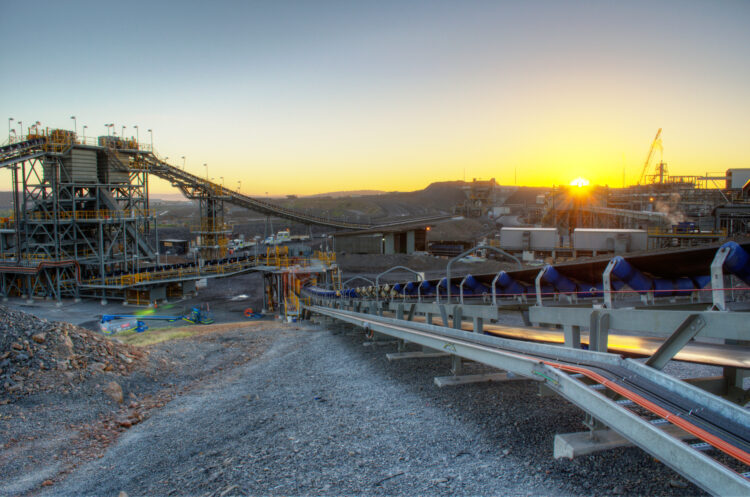
Conveyors are often described as the backbone of bulk materials handling. Yet in many operations, they are still treated as a collection of separate components rather than a single system. When something goes wrong, the response is typically focused on replacing the part that failed. But the real opportunity in 2026 is not just fixing breakdowns. It is designing stability into the conveyor system, so performance is consistent, safe, and predictable.
At Kinder, our work across mining, quarrying and agriculture has reinforced one truth. When conveyors lose stability, the impacts are rarely isolated. A small issue at one point on the belt can quickly become lost production, increased clean up, accelerated wear, and added risk for people working around the system. That is why system level engineering is becoming a defining factor in operational reliability.
Why component fixes are not enough
Most conveyor issues do not start as major failures. They begin as early warning signs:
- minor misalignment and belt wander
- increasing spillage at load zones
- dust escape around transfer points
- carryback on the return belt
- premature roller failure
- reduced belt stability under impact
These issues are not only maintenance concerns. They are indicators that the conveyor design and operating conditions are no longer working in harmony.
If left unresolved, these small signals become a cycle. Misalignment increases wear, wear increases vibration, vibration increases component failure, and the system becomes more difficult and expensive to maintain. The result is downtime, safety exposure, and a gradual reduction in the service life of belts and equipment.
Reliability starts where the load hits the belt
A conveyor’s reliability is often decided at the load zone. This is where material impact and turbulence are highest, and where belt support must be engineered to reduce shock loads and keep the belt stable. Kinder’s conveyor belt support and alignment solutions focus on maintaining belt stability using impact beds, skirting systems and tracking solutions that help reduce spillage and misalignment.
When belt support is consistent, operators see a flow on effect. The belt tracks better, sealing performs more effectively, and the return side stays cleaner. It is a practical reminder that reliability is rarely gained through one change. It is created when the system is supported in the right places.
Dust and the rise of conveyor environmental infrastructure
Across the globe, expectations around dust, safety and compliance continue to evolve. Dust control is no longer simply about housekeeping. It is part of the operational licence to operate.
Kinder provides solutions in conveyor environmental infrastructure and dust suppression systems to support risk prevention and help improve working conditions around conveyors.
When dust is not controlled, it impacts more than visibility and cleanliness. It can affect belt tracking, contribute to build up on components, increase wear, and create additional risks for teams. Investing in engineered dust suppression and containment is increasingly a reliability strategy as well as an environmental one.
The role of innovation in extending conveyor performance
Conveyor performance is not static. Operating conditions change, throughput targets increase, and sites are under constant pressure to improve efficiency. This is where design innovation becomes a competitive advantage.
Kinder highlights belt conveyor design innovations such as lightweight composite rollers, energy efficient conveyor components, and engineered solutions that extend equipment lifespan.
These improvements are not about adding complexity. They are about reducing the hidden costs of conveyance, including energy losses from rolling resistance, unplanned maintenance, and shortened belt life.
What strong conveyor performance looks like
When conveyors are engineered as a system, the difference is visible:
- stable belt tracking with fewer intervention events
- consistent sealing and reduced spillage
- improved material flow through transfer areas
- reduced dust escape and cleaner walkways
- fewer recurring maintenance calls to the same location
- longer component life and more predictable shutdown planning
This is the outcome of applying engineering support, quality components, and tailored solutions based on site conditions. Kinder’s approach centres on customised conveyor component solutions, durable products, and specialist support built on decades of experience with bulk material handling operations.
A practical question for 2026
Instead of asking, “What do we replace next?”, a more valuable question is:
“Where is our conveyor system losing stability, and what is that instability costing us each day?”
Because conveyors rarely fail suddenly. They degrade over time. And the sites that perform best are the ones that identify and correct instability early, with solutions designed to improve performance across the whole system.